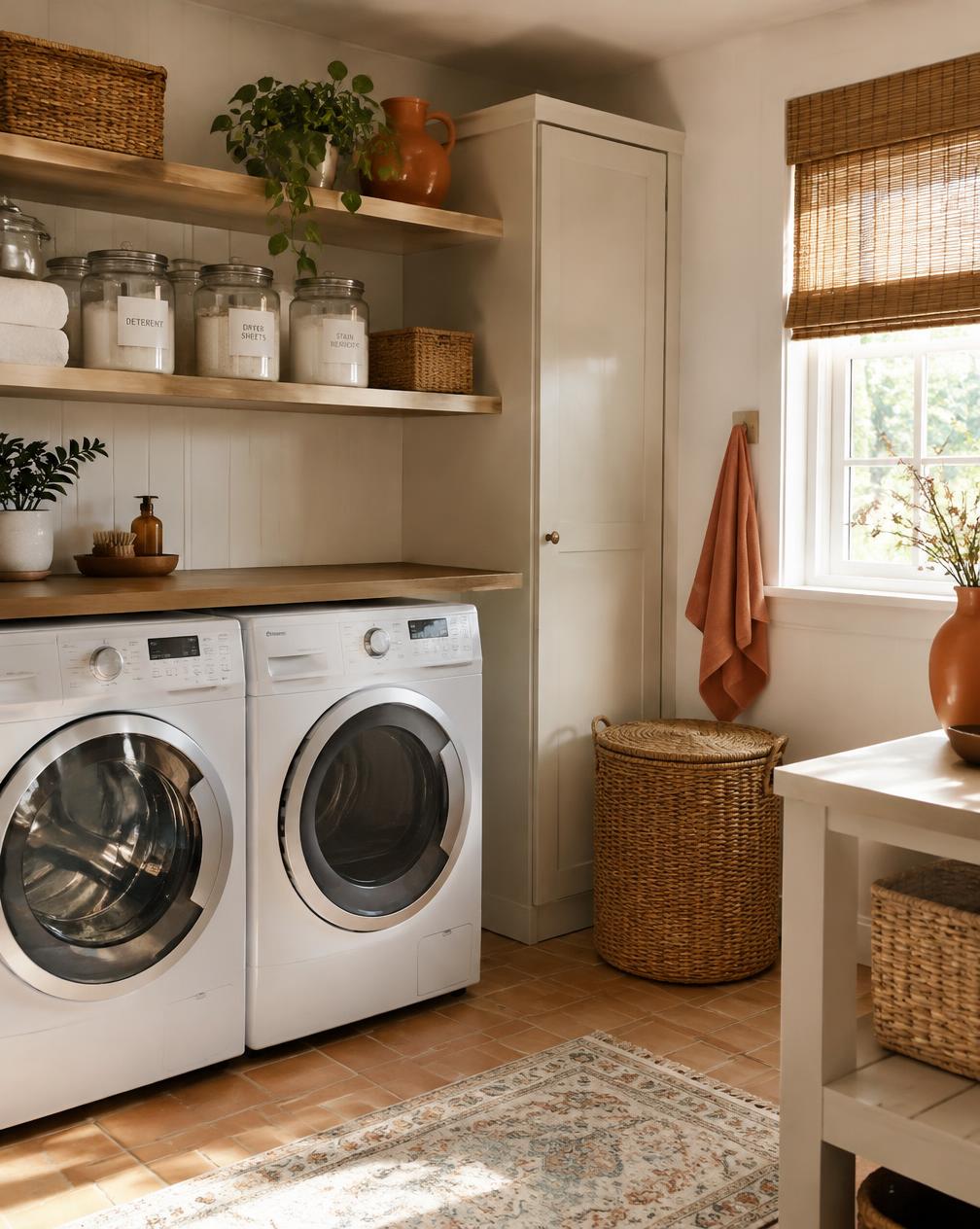
Tutorial
How to Organize a Pantry on a Budget
Build a pantry system around the food you buy, using practical zones, reused containers, and a few carefully chosen organizers.
By Rooms & Order Editors · Published 2026-11-21 · Updated 2026-11-21
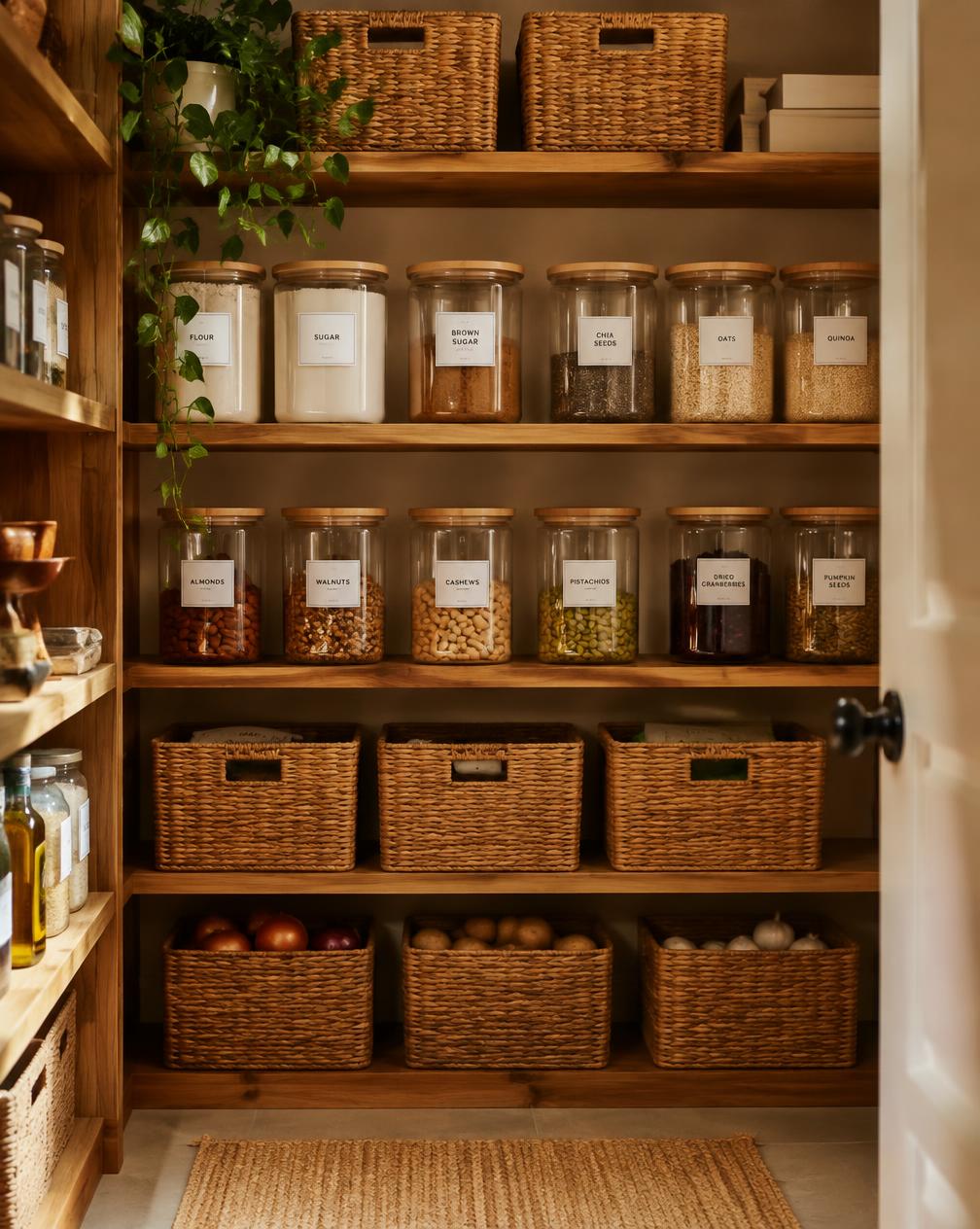
Spend Less by Planning Before Shopping
You buy another bag of rice, then find two unopened bags behind the cereal. Snack packets slide into the gaps between boxes, and locating the baking powder means moving half a shelf. When groceries are hard to see, even a quick dinner can start with a frustrating search.
Pantry organization on a budget starts with making the food you already own easier to find—not buying a matching set of containers. Whether you have a walk-in pantry or two crowded kitchen shelves, a few sensible zones and supplies from around the house can help.
Begin with the expectation that some supplies will stay in their original packaging. Your first investment is attention: checking what you own, deciding where it belongs, and identifying specific storage problems. If you are wondering how to organize a small pantry, start with one shelf and leave room to lift packages out. Once the system works, you can decide whether a few organizers would make it easier.
Understand What Your Pantry Needs to Hold
Take Inventory in Manageable Sections
Empty one shelf at a time if clearing the whole pantry would overwhelm your counters. Group duplicate foods together and inspect packages for damage, pests, and storage instructions. Review dates using the wording on each package rather than treating every date label as interchangeable. When a food’s condition or storage history is uncertain, consult appropriate food-safety guidance rather than guessing.
Write a simple inventory of the categories you actually buy. Include awkward items such as tall oil bottles, bulk rice bags, and lunch boxes. This gives you a realistic planning tool instead of an idealized shopping list.
Measure Before Choosing Containers
Record shelf width, depth, and vertical clearance, including space lost to hinges or door frames. A bin that technically fits may still be annoying if you cannot lift it past the shelf above. Check how far you can comfortably reach without pulling everything forward.
Then measure the packages themselves. A cereal container should accommodate the amount you normally purchase, not just look tidy when half full. Sketch a rough shelf plan on paper and reserve a little unassigned room for changing groceries. That small allowance can prevent a carefully arranged pantry from becoming crowded after one shopping trip.
Set a Budget Around Actual Friction
List the pantry’s three most frustrating problems. Perhaps snack bags collapse into a heap, cans disappear behind taller packages, and flour is difficult to scoop. Rank those issues before browsing organizers. Your budget might cover one food-storage container and several reused boxes rather than an entire coordinated collection.
Divide potential purchases into essential, helpful, and decorative. Essential means the item solves a clearly identified problem that your existing supplies cannot address. Helpful additions can wait until the first arrangement has been tested. Decorative purchases belong last, especially when their main contribution is matching a color scheme.
Build Zones With What You Already Own
Group Food Around Real Meals
Create categories that reflect your household rather than a generic pantry checklist. Breakfast foods, packed-lunch supplies, weeknight meal ingredients, and baking staples may be more useful than strict divisions by package type. Keep related items together even when their containers differ.
Give frequently used foods an easy-to-reach position, and place heavier items on suitably supported lower shelves. Consider who needs access: a child’s approved snack selection may belong in a different spot from baking extracts or glass bottles. Make the category boundaries obvious enough that another household member can put groceries away without asking where every item goes.
Repurpose Bins Without Creating Extra Work
Look for sturdy baskets, washable trays, or clean boxes already in your home. They can group sealed packets, seasoning envelopes, and snack bars without requiring a new purchase. Trimmed cardboard boxes may help you test category sizes, provided the storage area is dry and the material suits its use.
For cheap pantry organization ideas, try a clean, sturdy shoe box for individually sealed snack bars or an unused washable tray for sealed seasoning packets. Keep the food in its packaging; the box or tray simply gives the group a home. Test the setup on a dry shelf before buying a bin, and make sure you can lift it without upsetting nearby groceries.
Keep foods packaged unless a reused container is appropriate for direct food contact and the intended storage conditions. Do not repurpose containers that previously held nonfood chemicals. Choose easy-to-clean options for areas prone to crumbs or spills, and replace temporary solutions if they become damaged or difficult to maintain.
Decant Only When It Solves Something
Transferring dry ingredients can help when original bags tear, spill, or fit shelves poorly. It is less helpful when you end up maintaining a partly filled container plus an awkward backup bag. Start with one frequently used ingredient and see whether the routine genuinely improves.
Choose containers intended for food storage and suitable for the ingredient. Retain preparation instructions, allergen information, dates, and identifying package details where needed. Avoid continually topping off old contents with new purchases; empty, clean, and dry containers as appropriate before refilling. You do not need to decant sealed cans, convenient boxes, or anything already working well.
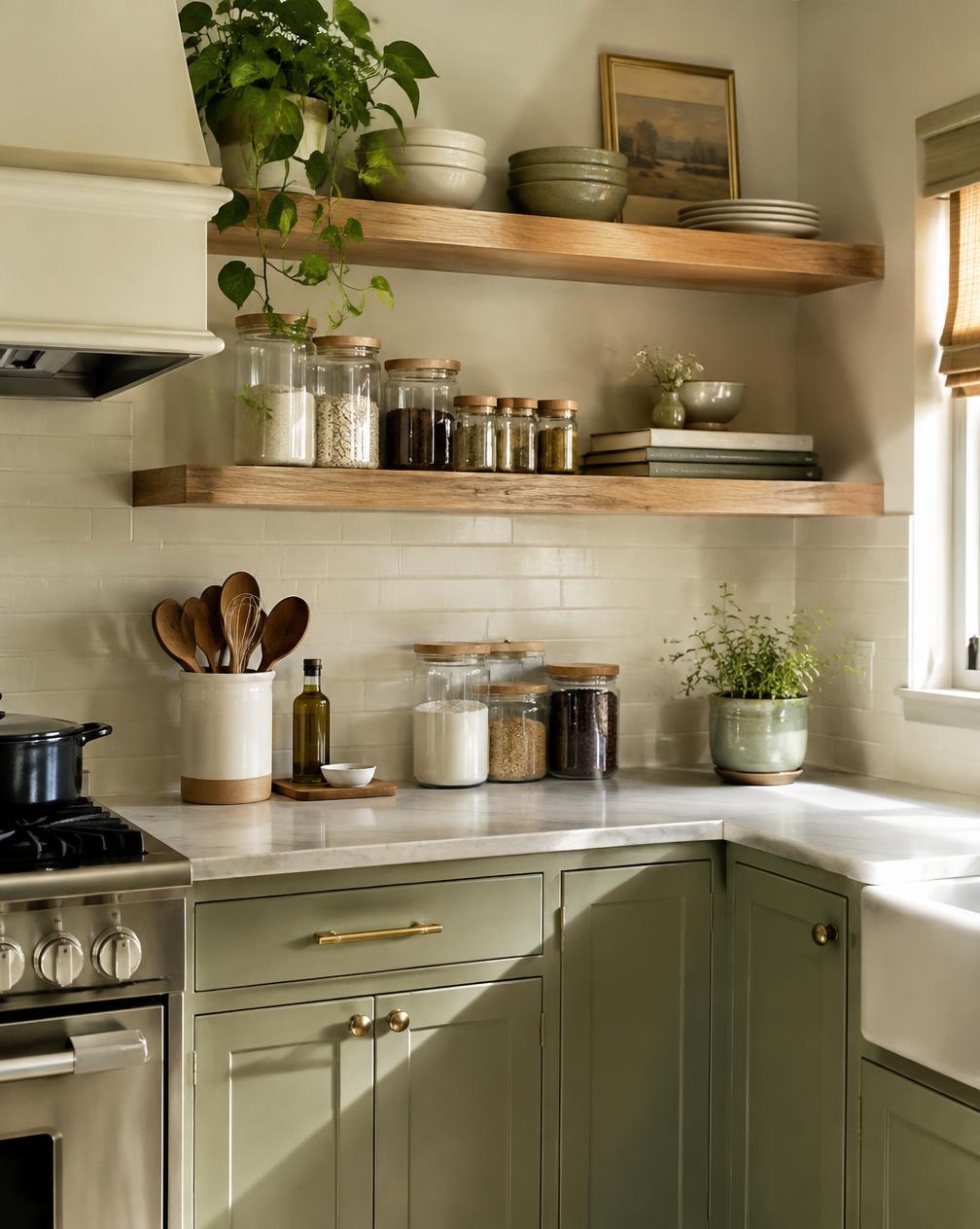
Make the Arrangement Easy to Keep
Use Plain Labels That Allow Change
Labels should answer a practical question, not simply decorate a basket. Broad names such as “Breakfast,” “Baking,” and “Use First” often remain useful longer than labels naming one particular snack. Put labels where they are visible when the pantry is full.
Paper tags, removable tape, or existing label supplies may be enough. Test adhesives on delicate finishes and follow surface-care guidance. If different household members organize groceries, agree on category names together. A beautiful label is not useful when nobody understands what belongs behind it, and an overly specific one may become outdated on the next grocery trip.
Write “Breakfast” on a paper tag attached to a basket of sealed oatmeal packets and cereal boxes. A second tag marked “Baking” can identify a group of packaged flour, baking powder, and chocolate chips. These simple category labels help with putting groceries away; they do not replace ingredient labels, allergen information, or preparation instructions.
Create a Simple Rotation Routine
When unpacking groceries, bring existing packages forward and place newer purchases behind them when appropriate. Keep a small “Use First” area for opened packages or foods you want to prioritize, while continuing to follow individual storage and food-safety instructions. Avoid turning that area into a permanent holding zone.
Before planning meals, glance through the pantry and add missing staples to a shared list. Note quantities in ordinary language, such as “one unopened bag,” rather than building a complicated tracking system unless you enjoy maintaining one. A brief, repeatable check is more useful than an elaborate inventory abandoned after a week.
Upgrade Only After a Trial Period
Use the arrangement through several grocery trips before deciding what to buy next. Notice which bins are difficult to lift, which categories overflow, and which shelves remain underused. Adjust category sizes first; an overflowing snack bin might indicate an unrealistic boundary rather than a need for more storage.
If a purchase still makes sense, select it for a specific job. A riser may improve visibility for cans, while a handled bin may help with a deep shelf. Compare dimensions, cleaning requirements, and construction rather than buying an entire matching set whose extra pieces could become clutter themselves.
Budget pantry storage ideas work best when each purchase has one job. If short cans keep disappearing behind taller boxes, compare a simple shelf riser that fits the available space and supports their weight. If sealed pasta packets scatter across a deep shelf, one inexpensive handled bin may be enough. Buy for the problem you have tested, not for every shelf at once.
Let Function Lead the Finished Look
A budget pantry can look calm without looking identical from shelf to shelf. Repeated labels, clear categories, and space to retrieve food provide visual order even when the containers are mixed. Keep the parts that work and give yourself permission to change the rest.
Explore our pantry organization collection when you have identified a genuine gap. Look for versatile bins, food-storage containers, and shelf organizers that fit your measurements, then build gradually instead of replacing a useful system all at once.
Start today by grouping the sealed breakfast foods on one shelf and adding a simple “Breakfast” label. Use what you already own and leave enough space to retrieve each package. Try that one small change before organizing another shelf or spending anything.
Shop Pantry Categories With a Purpose
Editorial buying criteria, not tested product reviews. Retailer-specific recommendations await verified information and affiliate approval.
Disclosure: Rooms & Order provides independent home organization ideas and product guidance. We do not currently have active affiliate partnerships or affiliate links. In the future, we may earn commissions from qualifying purchases made through clearly identified affiliate links, at no additional cost to you. Learn more
- Versatile Pantry Bins
- Group packaged foods without committing to a permanent layout.
- Label-friendly fronts
- Easy-grip handles
- Shelf-fitting dimensions
- Food-Storage Containers
- Address specific problems with frequently used dry ingredients.
- Food-contact suitability
- Accessible openings
- Clear care instructions
- Shelf Visibility Organizers
- Make short packages and cans easier to see.
- Stable construction
- Appropriate depth
- Stated weight capacity
Continue with our Pantry Organization collection.
Pinterest editorial image
1000 × 1500 pixels · AI-generated interior illustration.
- Suggested title
- How to Organize a Pantry on a Budget | Rooms & Order
- Description
- Build a pantry system around the food you buy, using practical zones, reused containers, and a few carefully chosen organizers. Discover practical room-by-room ideas from Rooms & Order.
- Keywords
- how to organize a pantry on a budget, home organization, Rooms & Order, pantry, kitchen
- Board
- Kitchen & Pantry Ideas
- Destination
- /ideas/organize-pantry-on-a-budget