Storage ideas
Easy Entryway Organization Ideas
Create a welcoming, manageable entry with practical shoe storage, well-placed hooks, useful baskets, and a simple routine for everyday arrivals.
By Rooms & Order Editors · Published 2026-11-21 · Updated 2026-11-21
Organize for the Moment You Walk Through the Door
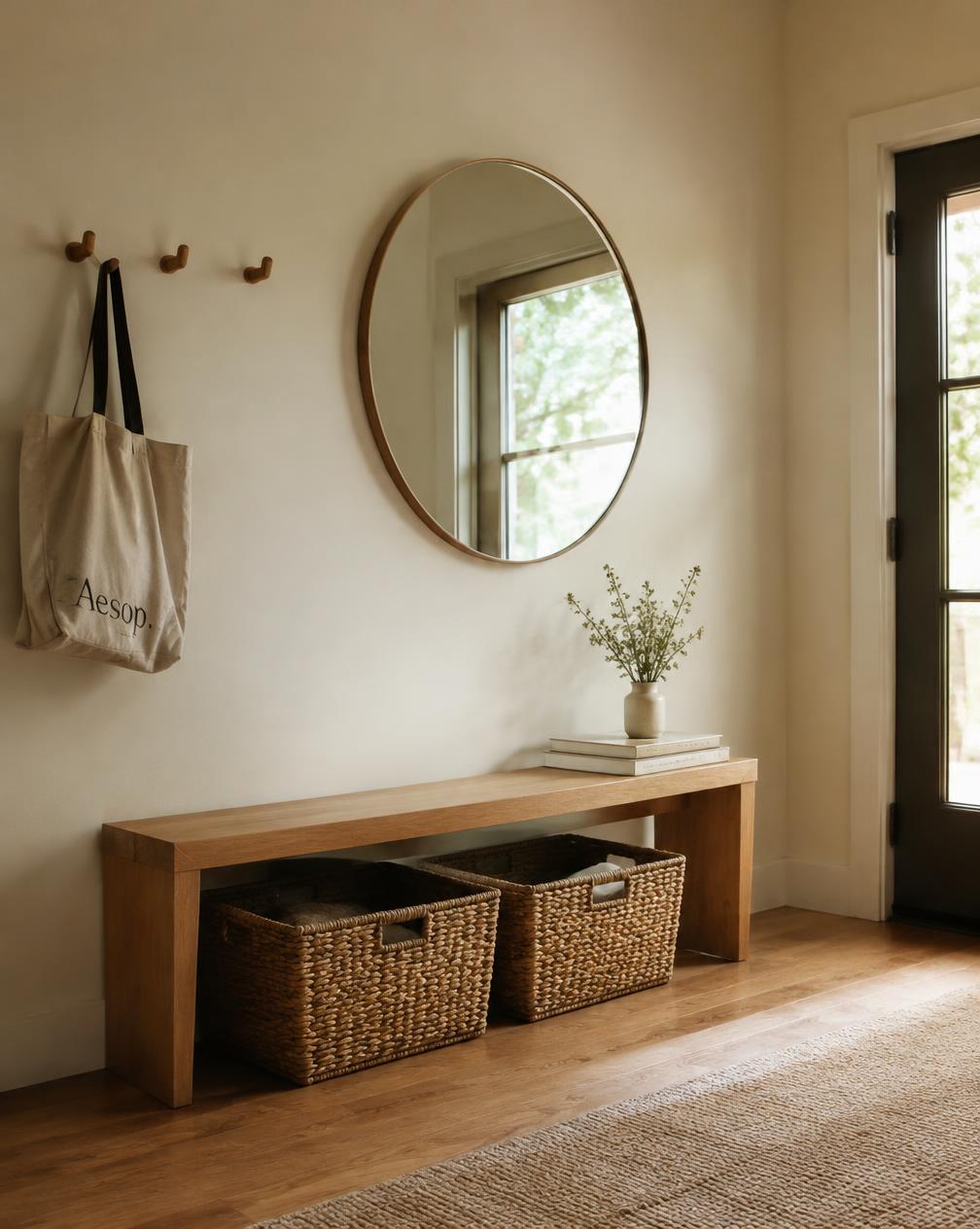
Shoes accumulate beside the front door, keys disappear beneath whatever landed on top of them, and bags and coats migrate onto the nearest chair. In a narrow hallway the pileup is worse, because every stray item narrows the route you walk several times a day. The good news is that an organized entryway does not require expensive furniture, renovations, or additional cabinets. It starts with giving everyday essentials an assigned place that matches how your household actually arrives and leaves. Begin by watching what lands near the door over several ordinary days. Shoes, keys, bags, coats, and mail need different solutions, and not every category needs to stay in the entry. Remove items that belong elsewhere, then plan around the habits you want to make easier. A useful entryway lets you set down what you are carrying without blocking the door or creating another pile to sort later.
Control Shoes Before They Spread
Set a Realistic Limit for Everyday Footwear
Keep the shoes used most often near the door and store occasional pairs in a closet or bedroom. The right number depends on your household and the available space, not a universal rule. A shallow rack can make pairs visible, while a cabinet can conceal them if its interior dimensions accommodate your footwear. Measure larger sneakers and boots before buying. Leave room to remove shoes without standing in the doorway, and use an appropriate mat or tray for wet pairs. Let footwear dry before placing it in enclosed storage, and clean tracked-in dirt regularly so the entry does not become harder to maintain.
For example, a household might keep the two or three pairs worn most often on an existing suitable mat, tray, or shoe rack near the door, and move occasional footwear to a closet or another appropriate storage location. The appropriate number depends on your household's needs and the available space. Keep the arrangement out of the walking route and clear of the door's swing so arrivals and departures stay unobstructed.
Choose a Bench Only if It Improves the Layout
A bench can provide a place to sit while putting on shoes, but it needs to earn its footprint. Measure the seat height, depth, and available space, then check that nearby doors open fully and the walking route remains clear. If the bench includes storage, decide whether you need open cubbies, baskets, or a lift-up compartment. Open cubbies are easy to access; a lifting seat may require moving cushions or belongings each time. Use only furniture designed and rated for seating, following the manufacturer's limits. Do not treat a decorative shelf or lightweight storage box as a substitute for a proper bench.
Give Coats, Bags, and Baskets Specific Homes
Mount Hooks for the People Using Them
Hooks work well when their height and spacing match the household. Keep regularly used hooks within comfortable reach, and allow enough space between bulky coats or bags that items do not overlap into one dense bundle. Children may benefit from a lower row if the location is safe and practical. Check wall construction, appropriate hardware, and the manufacturer's load limits before installation. Bags can be heavier than expected, so do not assume an adhesive hook can replace a mounted coat hook. In a rental, review the lease and obtain approval where needed. Over-door hooks also require compatibility and enough clearance for the door to close normally.
Use Baskets for Accessories, Not Unsorted Overflow
A basket can corral gloves, reusable shopping bags, or dog-walking accessories, but it needs a clear assignment. Choose a size that contains the category without swallowing unrelated items. Labels help in shared households, especially when baskets sit inside a bench or on a high shelf. Keep heavy supplies low and frequently used accessories easy to grab. For damp items, choose an appropriate washable or wipeable container and allow them to dry before storage. Review basket contents as seasons change so sunscreen does not disappear beneath winter hats. If a basket repeatedly overflows, reduce its contents or move less-used supplies elsewhere rather than automatically adding another.
For example, you might assign an existing basket to one specific category, such as reusable shopping bags, dog-walking accessories, or seasonal gloves and hats. A clearly assigned basket works better than a container filled with unrelated items because everyone knows what belongs in it, can find things quickly, and can tell at a glance when it needs attention.
Create a Reliable Landing Place for Small Essentials
Keep Keys and Daily Carry Items Together
A small tray, drawer insert, or designated hook can prevent keys from traveling through the house. Place the landing spot where you naturally pause, but keep valuables and identifying information out of easy reach or view from outside. Include only what belongs in the departure routine, such as keys, a work badge, or sunglasses. If several people share the entry, divide the space so one person's essentials do not bury another's. Avoid balancing a tray on an unstable ledge or crowding it with decoration. For devices that need charging, use suitable equipment, protect cords from foot traffic, and keep the arrangement away from wet belongings.
For example, you might repurpose an existing small tray for keys, sunglasses, and daily essentials rather than buying a new organizer. Position the tray in a convenient, stable location where you naturally pause, away from public view through windows or the open door.
Stop Mail and Packages From Becoming Permanent
Mail needs a short route through the entry, not unlimited storage there. Set aside one compact place for items requiring attention, and move them to a desk or paperwork station on a regular schedule. Recycle eligible packaging and dispose of sensitive information appropriately. Packages should have a temporary landing area that does not obstruct the door, stairs, or walking path. If deliveries frequently overwhelm the space, focus on opening and relocating them promptly rather than purchasing a larger catchall. A small return basket can hold items that need to leave the house, provided it is reviewed often and does not turn into a forgotten collection.
Adapt the Plan for Narrow Halls and Apartments
Prioritize Clear Passage Over More Furniture
In a narrow hall, storage depth matters as much as width. Before purchasing entryway furniture, measure the available wall width and the usable floor depth, then note the front door's opening and swing, any nearby cupboard or closet doors, and the clearance around stairs. Check the clear walking space that must remain, and for a bench record its width, depth, and seating access; for a shoe rack, its depth and compartment dimensions. Allow space to retrieve stored items and to open drawers or compartments fully.
Use suitable removable tape to mark a proposed furniture footprint on the floor, then walk through the entry carrying a bag or laundry basket to test movement. Compare your measurements with the full external dimensions of any furniture you are considering, including handles and overhangs. A shallow wall-mounted option may help where suitable installation is possible, but it still needs adequate clearance and secure mounting. Keep required exits and access routes unobstructed, and follow applicable building requirements. Avoid placing fragile objects on narrow surfaces where coats or bags can knock them off. Sometimes a few hooks and a small shoe tray are more useful than a complete entryway furniture set.
Use Flexible Solutions in a Rental
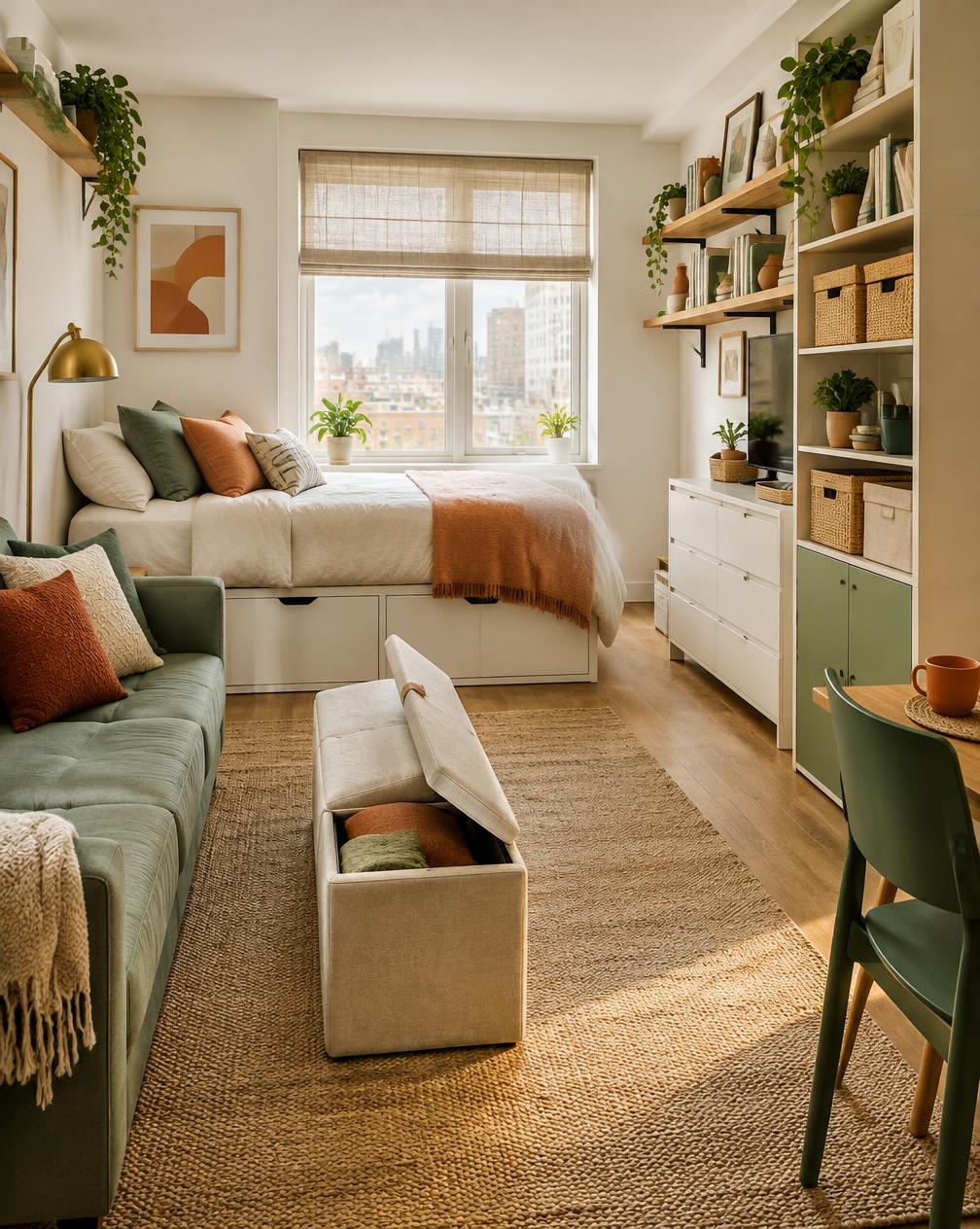
An apartment without a defined foyer can still have an arrival zone along an interior wall or inside a nearby closet. Use existing shelves, a freestanding rack, or a compact basket where they do not interfere with movement. Review lease terms before drilling or using adhesives, and check product instructions for surface compatibility and removal. Freestanding furniture may require an anti-tip attachment, so confirm that installation is possible before buying. Do not move personal storage into shared corridors or common areas without authorization; those spaces may have safety and building restrictions. A portable setup can be both useful now and easier to adapt when you move.
Make the Daily Reset Easy to Repeat
The most affordable improvement is often a clearer routine rather than another piece of furniture. Put shoes in their assigned place, hang the bag you use tomorrow, return keys to the landing spot, and move stray belongings toward their proper rooms. Adjust the arrangement when a step repeatedly feels awkward. If you are wondering how to organize a small entryway, start with items you already own, then spend selectively on a missing function, such as secure hooks or a properly sized rack.
An organised entryway does not need expensive furniture or a complicated storage system. Start today by clearing unnecessary items, moving occasional footwear to another suitable location, and assigning an existing tray to everyday essentials. Whether you're working with a narrow hallway or a larger entrance, small improvements that suit your daily routine will make the space easier to maintain. Explore our entryway organisation collection for practical shoe storage, benches, baskets and accessories that fit your home.
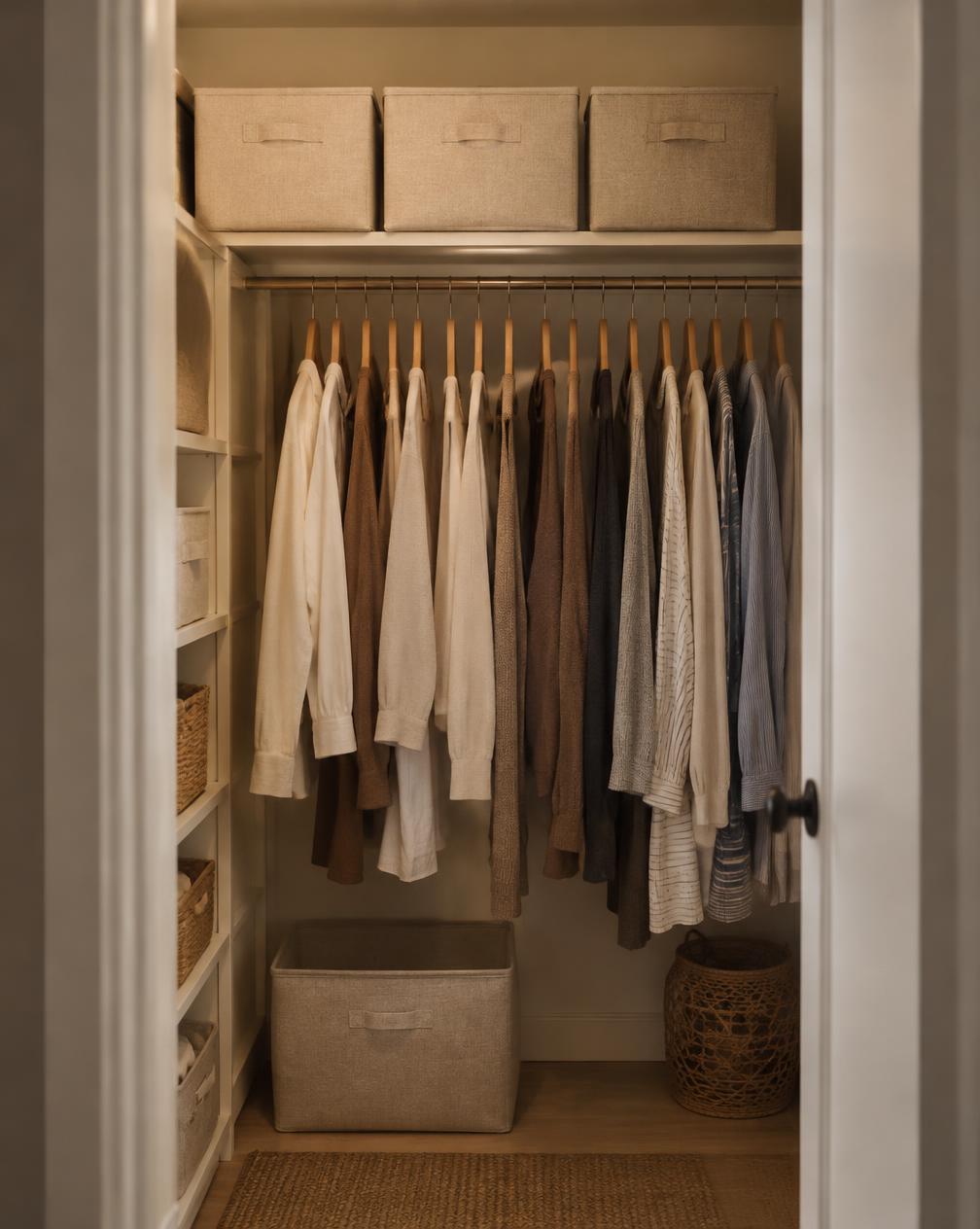
Create an Entryway That Supports Your Routine
Editorial buying criteria, not tested product reviews. Retailer-specific recommendations await verified information and affiliate approval.
Disclosure: Rooms & Order provides independent home organization ideas and product guidance. We do not currently have active affiliate partnerships or affiliate links. In the future, we may earn commissions from qualifying purchases made through clearly identified affiliate links, at no additional cost to you. Learn more
- Entryway Shoe Storage
- Contain everyday footwear while preserving a clear walking route.
- Shallow profiles
- Suitable shoe compartments
- Easy-clean options
- Benches and Accessory Baskets
- Combine useful seating with clearly assigned storage where space permits.
- Seating-rated construction
- Accessible cubbies
- Category-specific baskets
- Hooks and Landing-Zone Organizers
- Give bags, keys, and daily essentials consistent homes.
- Appropriate mounting guidance
- Compact trays
- Household-friendly organization
Continue with our Entryway Organization collection.
Pinterest editorial image
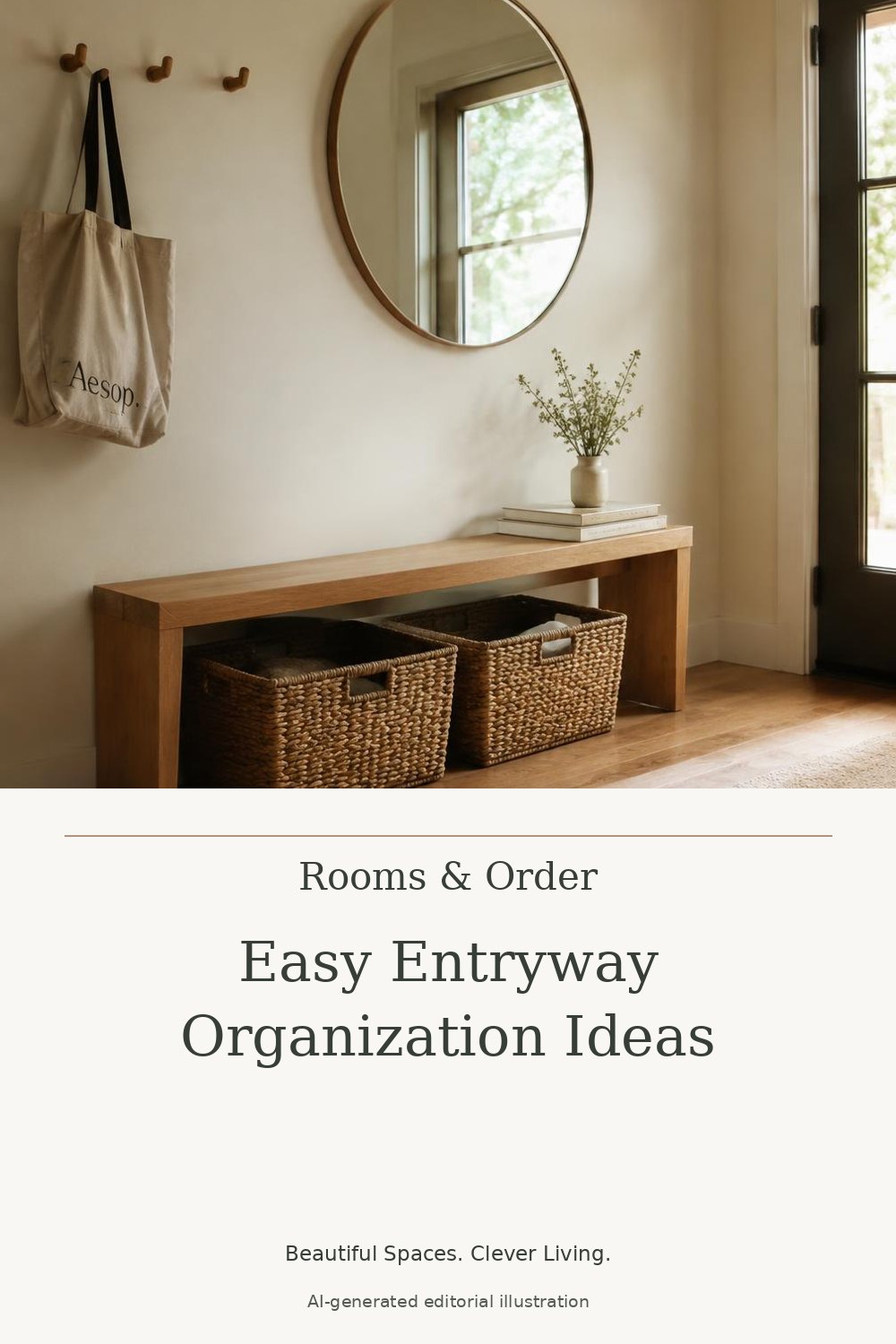
1000 × 1500 pixels · AI-generated interior illustration.
- Suggested title
- Easy Entryway Organization Ideas | Rooms & Order
- Description
- Create a welcoming, manageable entry with practical shoe storage, well-placed hooks, useful baskets, and a simple routine for everyday arrivals. Discover practical room-by-room ideas from Rooms & Order.
- Keywords
- easy entryway organization ideas, home organization, Rooms & Order, entryway, small-spaces
- Board
- Beautiful Home Organization
- Destination
- /ideas/easy-entryway-organization-ideas