Storage ideas
Small Bathroom Storage Ideas That Save Space
Make a compact bathroom easier to use with thoughtful under-sink storage, wall shelves, shower organizers, and manageable everyday supplies.
By Rooms & Order Editors · Published 2026-11-21 · Updated 2026-11-21
Plan Storage Around the Way You Use the Bathroom
When toiletries are taking over the sink, backup shampoo bottles are crowding the cabinet, and there is no convenient place for towels to dry, a small bathroom can feel like it is working against you every morning. The good news: how to organize a small bathroom rarely comes down to renovation, expensive furniture, or additional cabinets — it comes down to giving everyday essentials better homes in the space you already have.
A small bathroom needs clear surfaces, but it also needs the right things within reach. The goal is not to fill every available gap with a container. It is to give daily essentials convenient homes while keeping the sink, shower, and walking area usable. Start by removing expired products, empty bottles, and items that belong elsewhere. Follow local disposal guidance for medicines rather than treating them as ordinary bathroom clutter. Next, separate everyday supplies from backups. This simple distinction helps you decide what deserves prime storage and what can move to a hall closet or another dry location.
Make Under-Sink and Cabinet Space Work Harder
Organize Around Plumbing Instead of Against It
Before buying an under-sink organizer, measure the cabinet opening and interior, noting the drain trap, water lines, shutoff valves, and door hinges. An adjustable shelf or narrow pullout may fit better than a full-width unit. Keep plumbing accessible and leave enough room to notice leaks rather than concealing the entire cabinet floor. Group supplies in removable trays so you can lift them out for cleaning or maintenance. Store household cleaners according to their labels and away from children and pets, using appropriate secured storage when necessary. Avoid stacking heavy bottles where they can tip when a drawer or door moves.
A practical way to measure: note the cabinet opening's width and height first, since every organizer has to pass through the door. Then measure the interior width and usable depth, and map the obstacles — the drain trap, water supply pipes, and shutoff valves — along with the door hinges and how far the door swings. Check the height between any existing shelf and the pipes above it, and confirm there is room to slide a container out completely and to reach in for plumbing inspections or repairs. Compare your actual measurements with the external dimensions of any organizer you consider, including handles or other protruding parts, rather than assuming a listed size will clear the plumbing.
Divide Cabinets Into Daily and Backup Zones
Inside a medicine cabinet or vanity, use shallow trays to keep small items from drifting behind larger ones. Put daily dental supplies and skincare where they are easiest to see, then place less frequently used items farther back. Check the storage directions for medicines and cosmetics; a warm, humid bathroom is not suitable for every product. Adjustable shelves can reduce wasted height, but leave enough clearance to remove bottles without tilting them. If the cabinet has deep shelves, choose a removable bin for each category rather than creating a second hidden row. Label backup supplies so you can check quantities before shopping.
Under the sink, for example, two suitable removable trays can do most of the work: one for everyday toiletries you reach for constantly, one for backup supplies you only need when something runs out. Both lift out in seconds when you need to clean, check for leaks, or reach the shutoff valves — and household chemicals stay stored according to their labels, secured away from children and pets.
Use Wall Space Without Overcrowding the Room
Place Floating Shelves Where They Stay Accessible
Floating shelves can hold spare toilet paper, a small basket, or folded washcloths without taking up floor space. Choose a shallow depth near walking routes, and check how cabinet doors, mirrors, and people moving through the room will interact with the shelf. Keep heavy or breakable objects away from spots where they could fall onto someone. Installation depends on the wall construction and the shelf's instructions, including appropriate anchors and load limits. Check for concealed wiring and plumbing before drilling. In a rental, review the lease and obtain permission where required; adhesive products are not interchangeable substitutes for properly mounted shelving.
Evaluate Over-Toilet Storage Before Buying
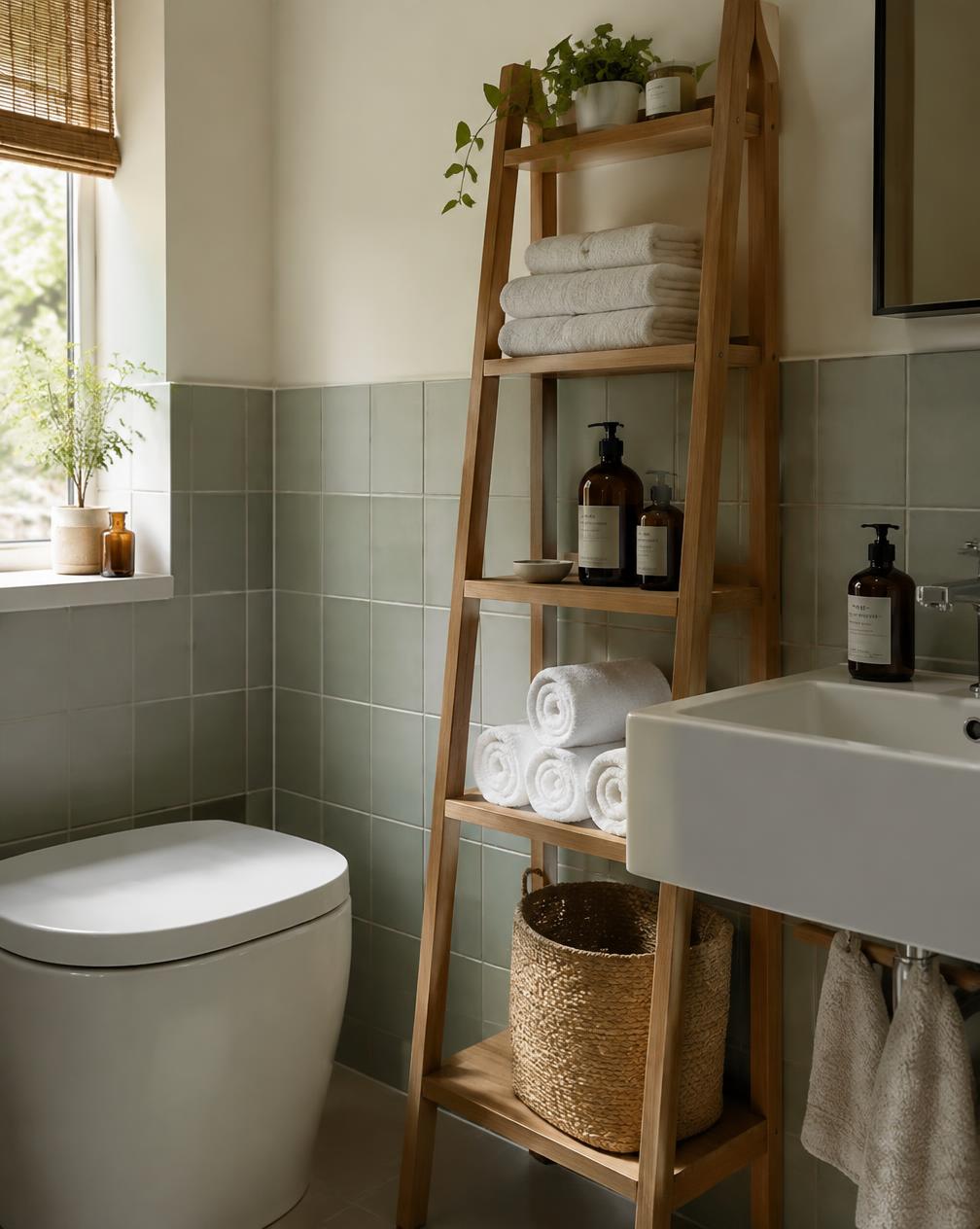
An over-toilet unit can turn unused vertical space into useful storage, but its fit involves more than overall width. Measure the toilet tank, lid clearance, flush handle position, baseboards, and available ceiling height. Leave access for repairs and routine cleaning. A freestanding unit may still require an anti-tip attachment under the manufacturer's instructions, so confirm that you can install it appropriately before purchasing. Use lower shelves for light, frequently needed items and avoid overloading upper shelves. If the unit makes the toilet area feel cramped or complicates cleaning, a single properly installed wall shelf may be the more practical solution.
Keep Shower Supplies and Cosmetics Contained
Choose Shower Storage That Allows Drainage
The shower usually needs fewer products than it contains. Keep current essentials inside and store unopened backups elsewhere. Choose a caddy with drainage openings and enough space for bottles to stand securely without crowding. Hanging, tension-mounted, suction, and adhesive organizers have different installation requirements; confirm compatibility with the shower surface and follow the manufacturer's load and placement guidance. Do not assume a showerhead pipe, glass panel, or enclosure can support added storage. Remove residue and clean the organizer regularly according to its care instructions. If a basket traps water around bottle bases, reduce the contents or choose a design that drains more freely.
A realistic starting point: keep only the shampoo, conditioner, and body wash you are currently using in a suitable shower organizer, and move the unopened backups to a dry cabinet elsewhere. Whatever organizer you choose must follow its mounting, stability, drainage, and load guidance — never hang added weight from a showerhead pipe, glass panel, or enclosure that was not designed to support it.
Create a Small, Portable Cosmetic Station
Cosmetics are easier to manage when the collection reflects what you actually use. Separate a daily makeup routine from occasional colors and tools, then place the daily group in a shallow drawer insert or portable caddy. A movable container lets you clear the counter quickly and use a better-lit area elsewhere if needed. Keep brushes clean and dry, and follow product guidance on storage and replacement. Do not decant products when doing so would remove important directions or compromise their packaging. For hair tools, unplug them after use and allow them to cool fully before returning them to suitable storage.
Store Towels Without Sacrificing Floor Space
Separate Clean Towels From Towels in Use
Clean towel storage and towel drying are different jobs. Folded towels can sit on a dry shelf or in a breathable basket, while used towels need enough hanging space to dry between uses. A towel bar allows more fabric to spread out than a tightly packed row of hooks, though the right choice depends on your wall space and household. Measure folded towels before choosing baskets or shelf spacing. Keep only a manageable rotation in the bathroom and move surplus linens elsewhere. Avoid placing clean towels directly beside shower spray or on the floor, where they are more likely to become damp.
For a household of two, for instance, a manageable rotation might mean four clean towels folded on a dry shelf while the towels in use hang with enough space between them to dry fully. The right number depends on your household's actual needs, the room's ventilation, and how often you launder — more towels than the room can dry properly will stay damp no matter how they are stored.
Protect the Layout and Spend Where It Helps
Before adding a cart, hamper, or narrow cabinet, mark its footprint with removable tape and open every nearby door. Make sure you can stand at the sink, reach the toilet, and enter the shower without maneuvering around storage. A slim unit is not space-saving if it blocks normal movement. For a modest budget, begin with decluttering, shelf adjustments, and repurposed washable trays. Spend next on the specific problem that remains, such as an under-sink organizer that fits the plumbing or a properly mounted towel bar. Avoid buying a matching set before confirming that each piece has a useful location.
Finish With a Bathroom You Can Reset Easily
The most useful small bathroom storage ideas are the ones that match the room's real workload, and bathroom storage ideas for small spaces work best when they protect the sink, the shower, and the walking route rather than filling every gap.
A successful small bathroom has enough storage for its real workload and enough empty space to stay comfortable. Keep one clear landing area near the sink, review backups before shopping, and return products to their assigned zones after use. Revisit the arrangement if cleaning becomes awkward or supplies repeatedly collect on the counter. Those are signs that a category needs a better home, not necessarily another container. Explore our bathroom storage collection for under-sink organizers, compact shelves, and towel storage suited to your measurements, installation options, and daily routine.
You can start tonight without spending anything: clear one counter or cabinet shelf, separate the everyday products from the backups, and return the items you use most to the easiest spot to reach. If a suitable container you already own — a washable tray, a small basket — fits the space, try it before buying anything. Small bathroom storage solutions earn their place by solving a specific problem, not by matching a set.
Find Storage for Your Bathroom's Unused Spaces
Editorial buying criteria, not tested product reviews. Retailer-specific recommendations await verified information and affiliate approval.
Disclosure: Rooms & Order provides independent home organization ideas and product guidance. We do not currently have active affiliate partnerships or affiliate links. In the future, we may earn commissions from qualifying purchases made through clearly identified affiliate links, at no additional cost to you. Learn more
- Under-Sink Organizers
- Flexible storage for cabinets with plumbing and limited clearance.
- Adjustable configurations
- Removable trays
- Accessible compartments
- Bathroom Wall Storage
- Compact options for suitable walls and approved installation methods.
- Shallow shelves
- Towel storage
- Clearly stated mounting requirements
- Shower and Counter Organizers
- Contain everyday essentials without crowding working surfaces.
- Drainage-friendly shower designs
- Portable caddies
- Small-item compartments
Continue with our Bathroom Storage collection.
Pinterest editorial image
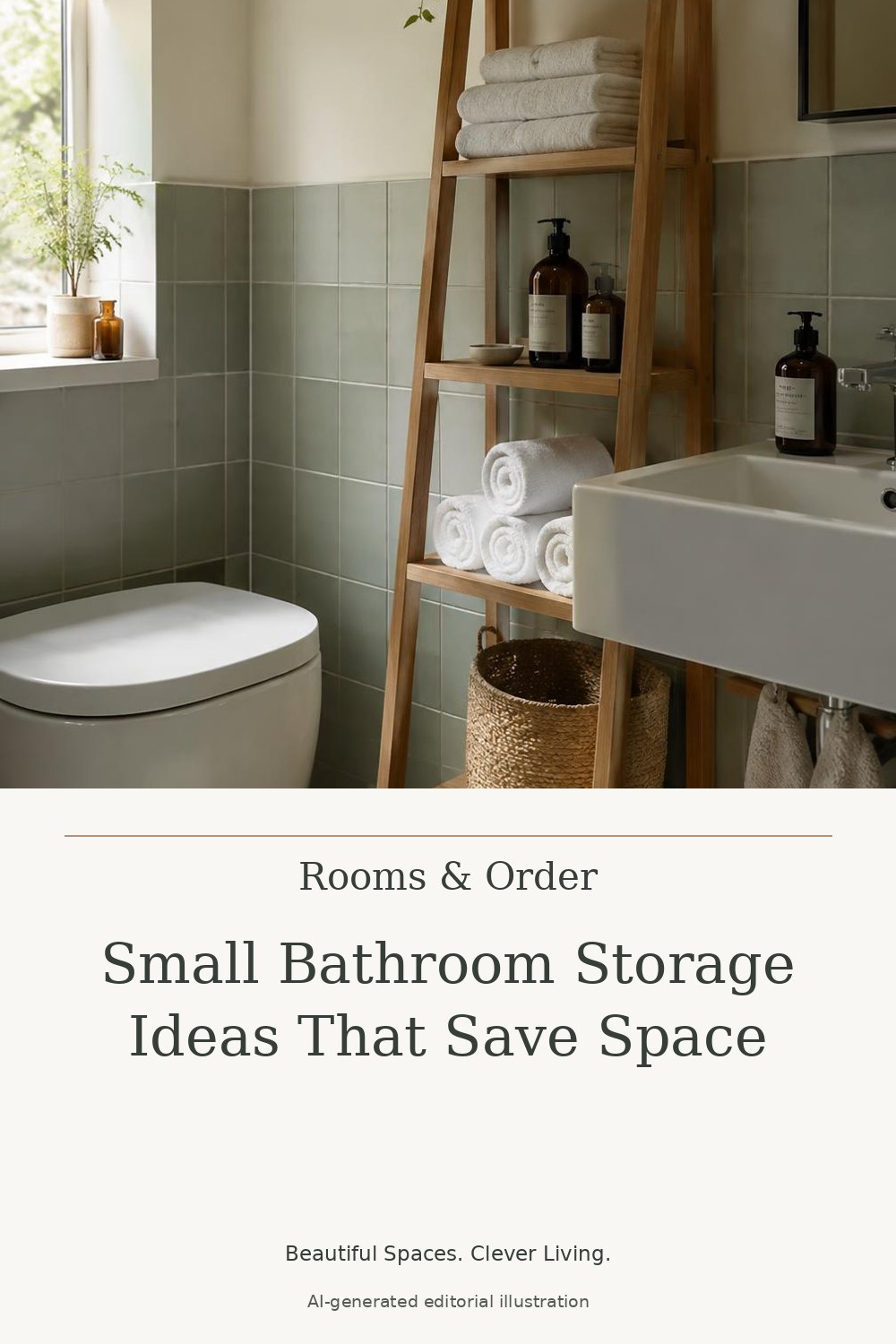
1000 × 1500 pixels · AI-generated interior illustration.
- Suggested title
- Small Bathroom Storage Ideas That Save Space | Rooms & Order
- Description
- Make a compact bathroom easier to use with thoughtful under-sink storage, wall shelves, shower organizers, and manageable everyday supplies. Discover practical room-by-room ideas from Rooms & Order.
- Keywords
- small bathroom storage ideas that save space, home organization, Rooms & Order, bathroom, small-spaces
- Board
- Bathroom Organization
- Destination
- /ideas/small-bathroom-storage-ideas